

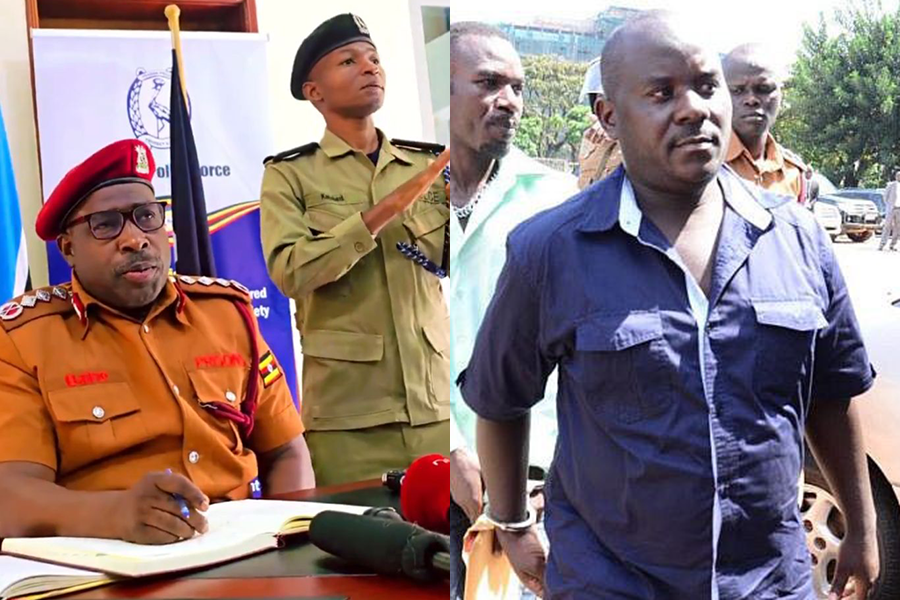
By Tamara Nalubowa
The presidential pardon of businessman Hajji Muhammad Ssebuwufu has triggered widespread public debate over the transparency and fairness of Uganda’s justice system.
Critics question why only Ssebuwufu, convicted in a high-profile case, received clemency, while his co-accused remain behind bars.
Uganda Prisons Service spokesperson Frank Baine said his office has been flooded with calls from citizens seeking explanations and similar leniency for their relatives.
At a press briefing at police headquarters on Monday, Baine cited Article 121 of the 1995 Constitution, which gives the President authority to grant pardons either through direct applications from convicts or via recommendations from an Advisory Committee.
However, he acknowledged that the criteria guiding presidential discretion remain opaque.
“The public often does not understand how these decisions are made,” Baine said, adding that the lack of transparency fuels speculation that pardons may be influenced by personal connections rather than legal merit.
The pardon has reignited debate over victims’ rights. For the family of Ssebuwufu’s victim, the President’s decision may feel like an erosion of justice, particularly given that Ssebuwufu’s co-convicts were not similarly pardoned.
Legal experts warn that selective clemency can undermine confidence in the judiciary and heighten perceptions of inequality before the law.
As the Prisons field an increasing number of inquiries, citizens and civil society organizations continue to debate whether the prerogative of mercy serves public interest or personal privilege.
